Keeping Busy During Retirement

Updated: Jul 16
As individuals with autism transition into retirement, we often face unique challenges and opportunities. When I retired from teaching after 32 years, it was initially hard for me to accept being retired.
Insofar as I had masked in order to teach, when the illusion of near-normalcy came off, I found that I didn't really know who I was. So much of my identity had been tied up with being the chef instructor of a high school Culinary Arts program that I didn't know who I was. For far too many years, my sense of self jad been defined by my job.
I was a teacher. I was a chef. I was a ServSafe certified food safety protection manager. Without my job, what purpose did I serve?

For the first few days, I admittedly had a blast. I played wargames like Age of Empire while binge watching TV shows on NetFlix. I took mid-day naps, over-indulged myself with Door Dash, and read entire science fiction and fantasy book series.

I was bored by the middle of the second week. While recreation was momentarily enjoyable, my work experience had conditioned me to be productive.
Since I had no interest in returning to education, I decided to indulge my special interests in writing and video editing. Within one year of retirement:
I had created a Youtube music channel called Foodie Tunes.
I wrote and published via Amazon, a 420 page fantasy novel, "Rest in Peace Investigations, Beyond the Veil".
I wrote and published several children's books about autism including Beth's Story, Antonio's Story: The Story of How a Nonverbal Person with Autism Became Successful, and Seth's Story.
By the second year of retirement, I had created additional YouTube channels including The Yesterday Project. I also began work on this blog.
This blog post explores how creativity can be a powerful tool for many on the autism spectrum. It is intended to offer practical strategies and examples to inspire and engage.

Understanding the Creative Potential in Autism
Creativity is often seen as a hallmark of autism. Many individuals on the spectrum exhibit exceptional talents in various artistic fields, including painting, music, writing, and more. This creativity can serve as a means of self-expression and a way to connect with others.
For example, in addition to my YouTube channel, I make soap and candles that look and smell like real food.

The Link Between Autism and Creativity
Research suggests that individuals with autism may think differently, leading to unique perspectives and innovative ideas. This divergent thinking can manifest in various forms:
Visual Arts: Many autistic individuals excel in visual arts, creating stunning pieces that reflect their inner worlds.
Music: Some have a natural affinity for music, whether through playing instruments or composing original pieces.
Writing: Creative writing can be a powerful outlet, allowing for storytelling and sharing personal experiences.
By recognizing and nurturing these talents, retirees can find fulfillment and purpose in their creative pursuits.
Embracing Creativity in Retirement
Retirement offers a unique opportunity to explore and develop creative interests. Here are some practical ways to harness creativity during this time:
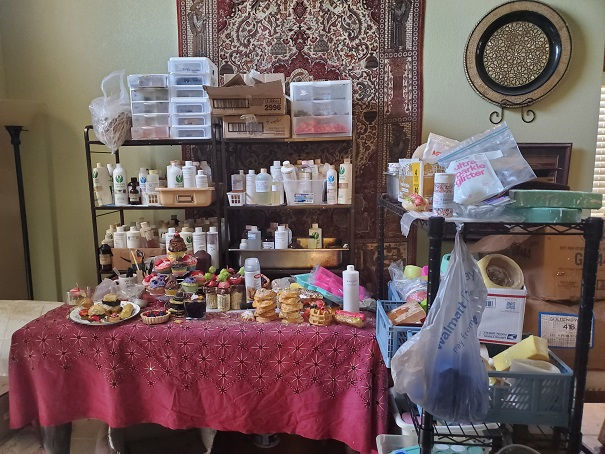
1. Setting Up a Creative Space
Creating a dedicated space for artistic endeavors can significantly enhance the creative process. This space should be comfortable, inspiring, and equipped with necessary supplies. Consider the following:
Art Supplies: Stock up on paints, brushes, canvases, or any materials relevant to the chosen medium.
Musical Instruments: If music is a passion, ensure that instruments are easily accessible.
Writing Tools: A quiet corner with a computer or notebook can encourage writing.
2. Joining Creative Communities
Connecting with others who share similar interests can provide motivation and support. Look for local or online groups focused on creative activities:
Art Classes: Many community centers offer art classes tailored for different skill levels.
Music Groups: Joining a local band or choir can foster a sense of belonging and collaboration.
Writing Workshops: Participating in workshops can help refine writing skills and provide constructive feedback.
3. Exploring New Mediums
Retirement is the perfect time to experiment with new forms of creativity. Trying out different mediums can lead to unexpected discoveries. Consider:
Mixed Media: Combining various artistic techniques can yield unique results.
Digital Art: Exploring digital platforms can open new avenues for creativity.
Creative Writing Genres: Experimenting with poetry, short stories, or even blogging can enhance writing skills.
Although I began my retirement with the creation of Foodie Tunes as a way of channeling my interests in music, food, and video editing; I have since transitioned to The Yesterday Project, even though at t he time of this writing, this channel only had 31 subscribers as opposed to 99 with Foodie tunes.
The Benefits of Creative Expression
Engaging in creative activities can have numerous benefits for retirees on the autism spectrum. Here are some key advantages:
1. Improved Mental Health
Creative expression can serve as a therapeutic outlet, reducing stress and anxiety. Engaging in art, music, or writing can promote relaxation and emotional well-being.
2. Enhanced Social Connections
Participating in group activities fosters social interaction, helping to combat feelings of isolation. Building relationships with like-minded individuals can lead to lasting friendships.
NOTE: This is not something I really do. Having masked throughout my career, I have largely stopped masking and don't socialize any more. On the plus side, this has given me a lot of time to throw into my on-going projects. On the downside, I realize that I will likely die alone and nobody will notice until the yard is badly overgrown and the neighbors are wondering what that foul smell is that is coming from my home.

3. Increased Self-Esteem
Completing creative projects can boost self-confidence. Sharing artwork, performances, or written pieces can validate talents and encourage further exploration.
Real-Life Examples of Creative Retirees
To illustrate the power of creativity in retirement, let’s look at a few inspiring stories of individuals on the autism spectrum who have embraced their artistic talents.
Case Study 1: The Painter
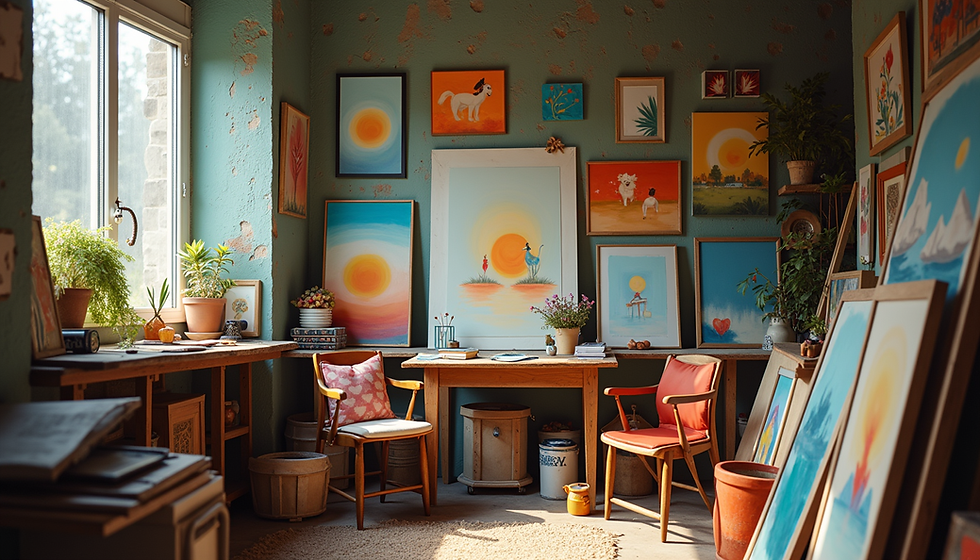
A retire colleague who was an art teacher, now travels across the United States to stay at artist retreats. These retreats give her the opportunity to interact with others while providing new settings for her ever growing collection of landscape paintings.
Case Study 2: The Musician
Another retired colleague who taught music, has joined a local orchestra that is entirely composed of volunteer musicians.
Overcoming Challenges in Creative Pursuits
While creativity can be fulfilling, it may also come with challenges. Here are some common obstacles and strategies to overcome them:
1. Fear of Judgment
Many individuals may hesitate to share their work due to fear of criticism. To combat this:
Start Small: Share creations with trusted friends or family before expanding to larger audiences.
Focus on Enjoyment: Remind oneself that the primary goal is personal fulfillment, not external validation.
2. Difficulty in Social Settings
Social interactions can be challenging for some individuals on the spectrum. To ease anxiety:
Choose Comfortable Environments: Participate in activities that feel safe and welcoming.
Practice Social Skills: Engaging in role-playing or social skills training can build confidence in social situations.
3. Limited Resources
Access to materials and spaces can be a barrier. To address this:
Community Resources: Look for local organizations that offer free or low-cost art supplies and classes.
Online Platforms: Utilize online resources for tutorials and virtual classes, making creativity accessible from home.

Conclusion
Harnessing creativity during retirement can lead to a fulfilling and enriching experience for individuals on the autism spectrum. By embracing artistic pursuits, retirees can improve their mental health, build social connections, and enhance their self-esteem.
As you embark on this creative journey, remember that the process is just as important as the outcome. Whether through painting, music, or writing, let your creativity shine and inspire others along the way.
Take the first step today by exploring a new artistic medium or joining a creative community. Your unique perspective and talents have the power to make a difference, not only in your life but in the lives of those around you.


Comments