I was Targeted by the Police for a Wellness Check

Long before my diagnosis of autism which I didn't receive until two months after my 60th birthday in 2020, I began to suppress specific mannerisms that my parents had deemed to be "annoying". I forced myself to stop wagging my fingers and to rapidly tap my foot in public. When speaking with others, I forced myself to make occasional eye contact instead of more comfortably staring over a person's shoulder. If a classmate were to tell a joke, I'd join the others in laughing, even if I didn't understand why the joke was supposed to have been funny.

My father was a doctor with the U.S. Public Health Service. My mother was a housewife. Although my parents knew that I was different from other children, they didn't know why I was the way I was. Since both of my parents were deeply conservative, instead of taking me to see a psychiatrist, they decided to use adverse physical conditioning to stop me from what I now know is self-stimming.
If I engaged in behavior that they didn't approve of, they would give me one warning. If I didn't stop, Dad would pull off his belt or Mom would get a yardstick. They would then beat me until I stopped.

I retired from teaching in October of 2024. One of the first things I did was to stop masking.
To be candid, it initially felt very strange to waggle my hands or to begin rapidly tapping a foot. Years of conditioning had taught me that self-stimming behaviorwas "wrong" . Even now, I can almost hear my mother's voice shouting at me to tell me that I was "stupid," "strange," and "weird". I still flinch at the memory of her shouting, "I WISH YOU HAD NEVER BEEN BORN!" as I covered my head with my arms to protect myself as she beat me while swinging the yardstick in a two-handed grip.
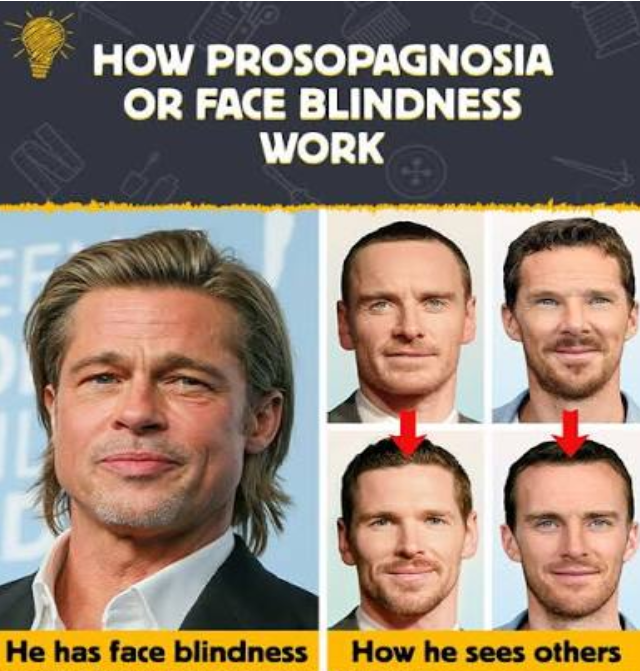
Since I am by nature, a reclusive introvert, it was hard for me to work as a teacher for 32 years. My issues with understanding facial expressions, tones of voice, body language, and figurative language has long hampered my ability to communicate. The fact that I have prosopagnosia, (facial blindness), has not helped because I am often unable to mentally connect a person's facial features with that person's name.
After I retired, I gave myself permission to stop interacting with others. Since I am not married and had no close friends, it was quite easy to do this.
I turned off my cellphone on the premise that anyone who knows me, knows that due to my need for structure, I don't care for unexpected telephone calls and will not answer the phone. While I can speak to people on the phone, I prefer to only do this if I initiated a call or during an appointment that was prearranged via email.
Although I initially clung to parts of my old preretirement schedule such as dining out and going grocery shopping on Fridays, about three months ago I stopped doing this; preferring instead to use Door Dash for both meals as well as grocery purchases.
Someone apparently noticed that I hadn't been "out and about" and called the police to have them do a welfare check on Wednesday, July 15.
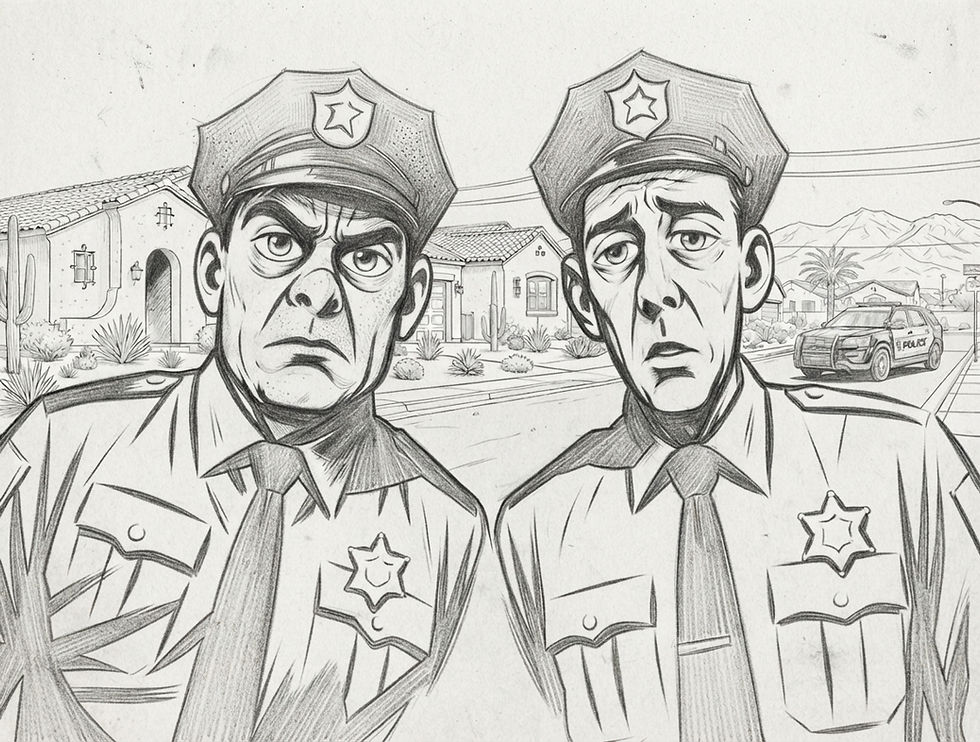
For reasons unknown, the police did not ring my doorbell. Instead of ringing the doorbell, they opened an unlocked side gate to walk along the side of my home. I was at my computer in my den, watching a YouTube video as I was working on this blog when I was startled by a loud banging at the window.
RAP! RAP! RAP! The sound was both intrusive and startling.
"POLICE!" came a shouted call.
Instead of trying to talk to the officers through a closed window, I went outside where I had learned that the officers had been dispatched for a wellness check.
"Are you okay?" asked one of the officers.
Since I hadn't planned on going anywhere, I was wearing flip flops, boxers, and a gray bathrobe that I had put on to conceal the boxers. Since I hadn't shaved in three months or had a haircut, I was shaggy and bearded.
I was very careful in how I chose to answer the officers because law enforcement has the authority to initiate an emergency psychiatric hold—historically referred to as a "Legal 2000" or "L2K" hold—which detains a person for a mandatory medical evaluation.
Looking as I did, I did not want to be hauled away for an overnight involuntary mental health evaluation.
I carefully explained that I was a retired teacher, that I was autistic, and that after having taught for 32 years, I didn't see the need to interact with anyone. As to why I hadn't been out and about, I pointed out that we were in southern Nevada and that the current temperature was 111°F (43°C).
"But are you okay?" asked the other officer.
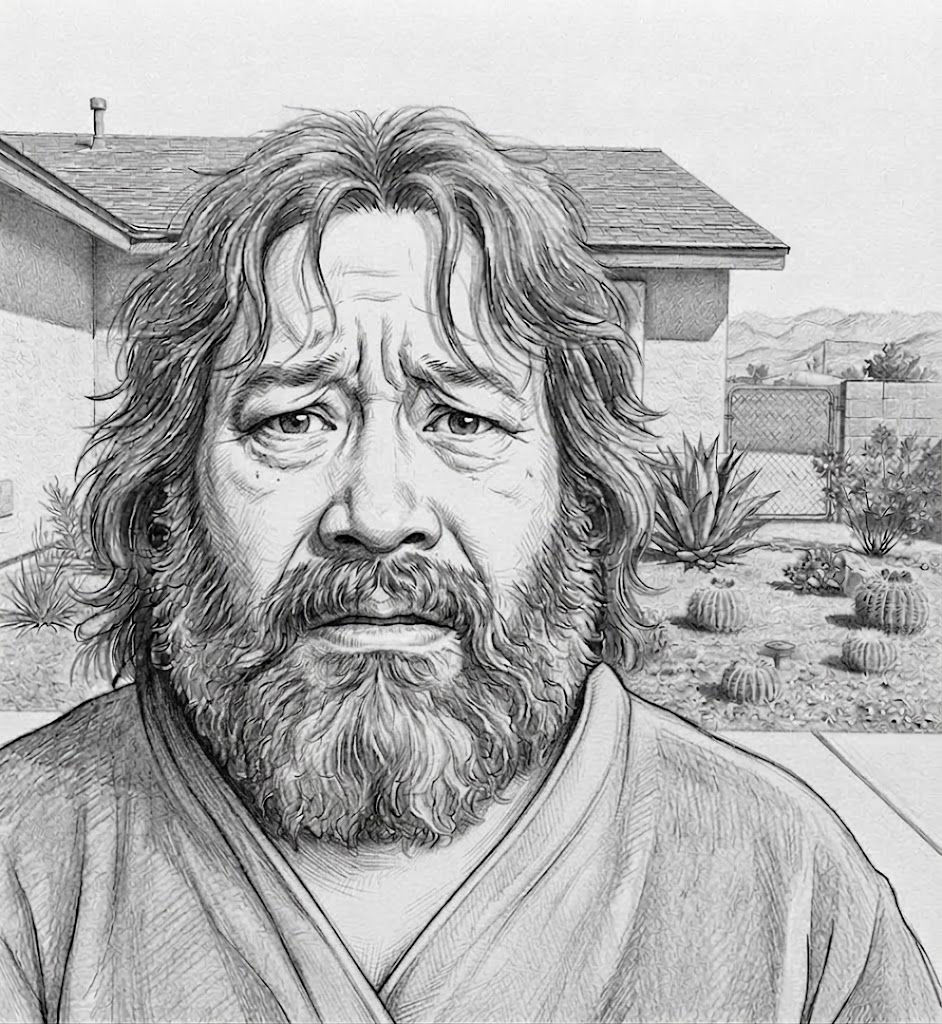
I assured the officers that I was fine and surprisingly enough, that was that. I subsequently gave myself a haircut and a shave so as to get rid of my scruffy appearance as a preemtive measure. Since police officers have the option of calling a social worker to perform a follow up to a wellness check, I wanted to be more presentable just in case somebody else needed to check on me to confirm that was okay.
It felt strange to have spoken with the officers. The conversation that I had with them, as short as it was, has been the longest I've spoken to anyone in some 650 days.
While I am aware that there are people on the spectrum who aspire to have a social life, I have never been one of these people. I am happiest when I'm left alone, with no other company than my cats.
Sadly, not only do we live in a world that is not particuarly friendly to people with autism, but here in the United States, we also live in a society often has an extroverted bias. Introverts, regardless of whether or not they're neurodivergent are often misunderstood. There is a widespread tendency to confuse healthy, chosen solitude with forced loneliness or mental illness. Well-meaning friends, family, or onlookers often assume that someone who spends most of their time alone must be suffering from: clinical depresssion, an inability to cope with reality, trauma, or some other disorder that requires immediate treatment.
The police wellness check could easily have gone quite wrong. People with autism are at a significantly increased risk for experiencing a negative outcome when detained and questioned by the police.

Since people with autism often struggle to communicate under stress, they may not understand nuanced questions. Police abruptness, the fact that the officers are likely not known to the individual being questioned, and the possibility of being man-handled could lead to a "shutdown" or "meltdown" which officers could misinterpret as defiance or intoxication.

Have you ever been on the receiving end of a police wellness check?
What happened? Please feel free to share your experience in the comments.



Comments